Botulinum toxin is one of the most searched treatments in aesthetics, and one of the easiest to get wrong online. Because it is a prescription-only medicine, the rules for advertising it are strict, and they apply to your website and social media as well as paid ads. Here are seven things to get right, so your site still brings in consultations without breaking the rules.
Seven rules for your clinic website
1. Do not advertise the product or the treatment to the public
Botox and similar products are prescription-only, so neither the products nor treatments using them can be advertised to the general public. CAP says this covers logos, testimonials, links, hover text, small print and price lists (CAP advice on advertising Botox). That rules out "toxin from £99" offers, on your website and on Instagram.
2. Promote the consultation instead
CAP says clinics offering several facial treatments can promote a consultation, for example "a consultation for the treatment of lines and wrinkles", as long as it is clear that options will be discussed and that nothing will be given if the person is not suitable (CAP). Build your booking button and landing page around that consultation.
3. Keep any product information off the homepage
CAP says limited, factual references may be acceptable if they are not on the home page and stay within balanced information, like a patient leaflet, so that casual browsers do not easily come across it (CAP). If you include treatment information, keep it a step away from your main pages and keep the tone factual.
4. Lead with your other treatments
Skin treatments, peels, microneedling and skincare can be promoted normally, within the usual rules on claims. Give them strong pages with clear prices and booking, and let them carry your homepage.
5. Show who will treat people, and their qualifications
A photo, a name, their professional registration and their training for each practitioner. People choosing an aesthetics clinic want to know who is holding the needle, and it is the honest way to stand out from cheaper competitors.
6. Be ready for licensing in England
The government has confirmed plans for a licensing scheme for non-surgical cosmetic procedures in England, with licences for practitioners and premises issued by local authorities, and an age limit of 18 for licensed procedures. It has not set a start date yet (DHSC consultation response, August 2025). A clear page on your training, insurance and premises will make the change easy to show.
7. Before-and-after photos that are real and unfiltered
Use only your own clients' photos, with consent, in the same light and angle, with no filters. Avoid before-and-after images for prescription-only treatments altogether, since they promote the treatment itself.
See these ideas working
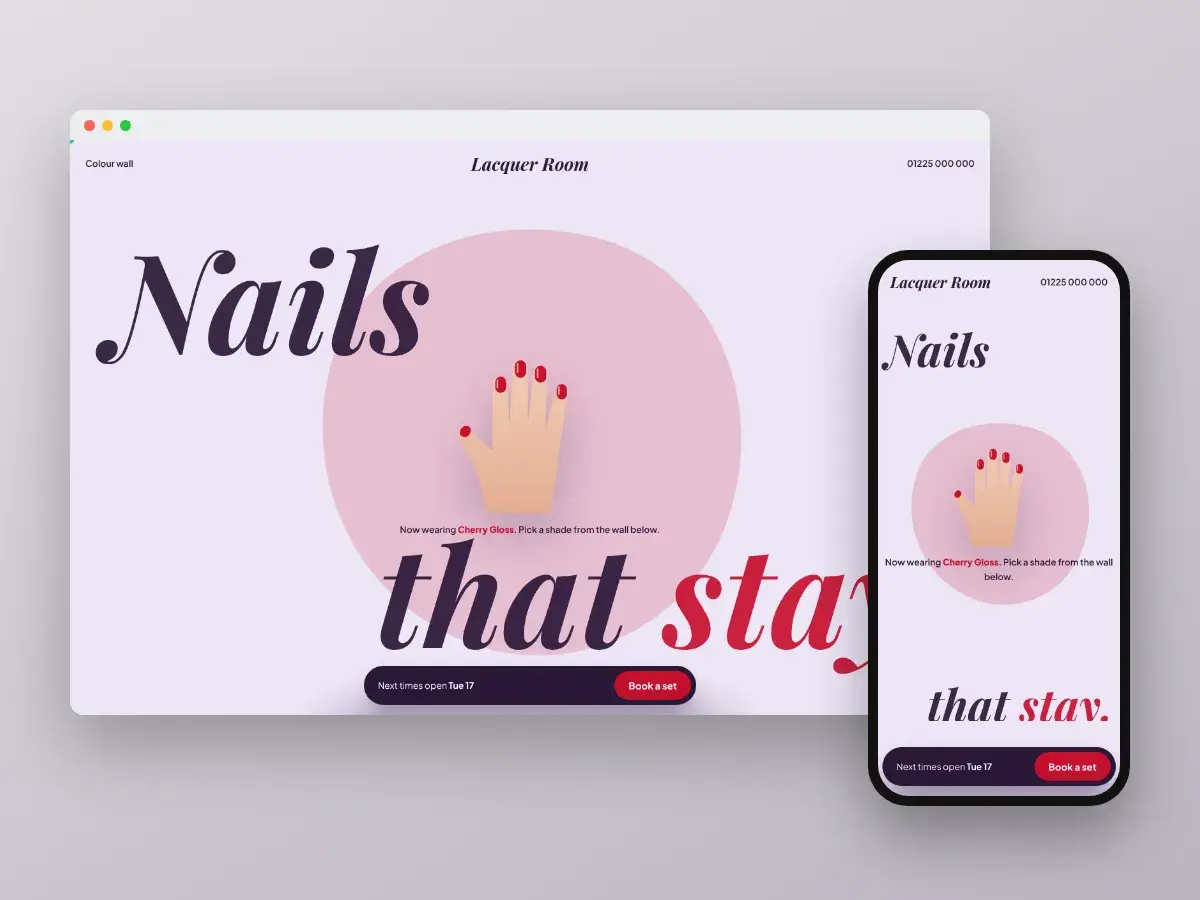
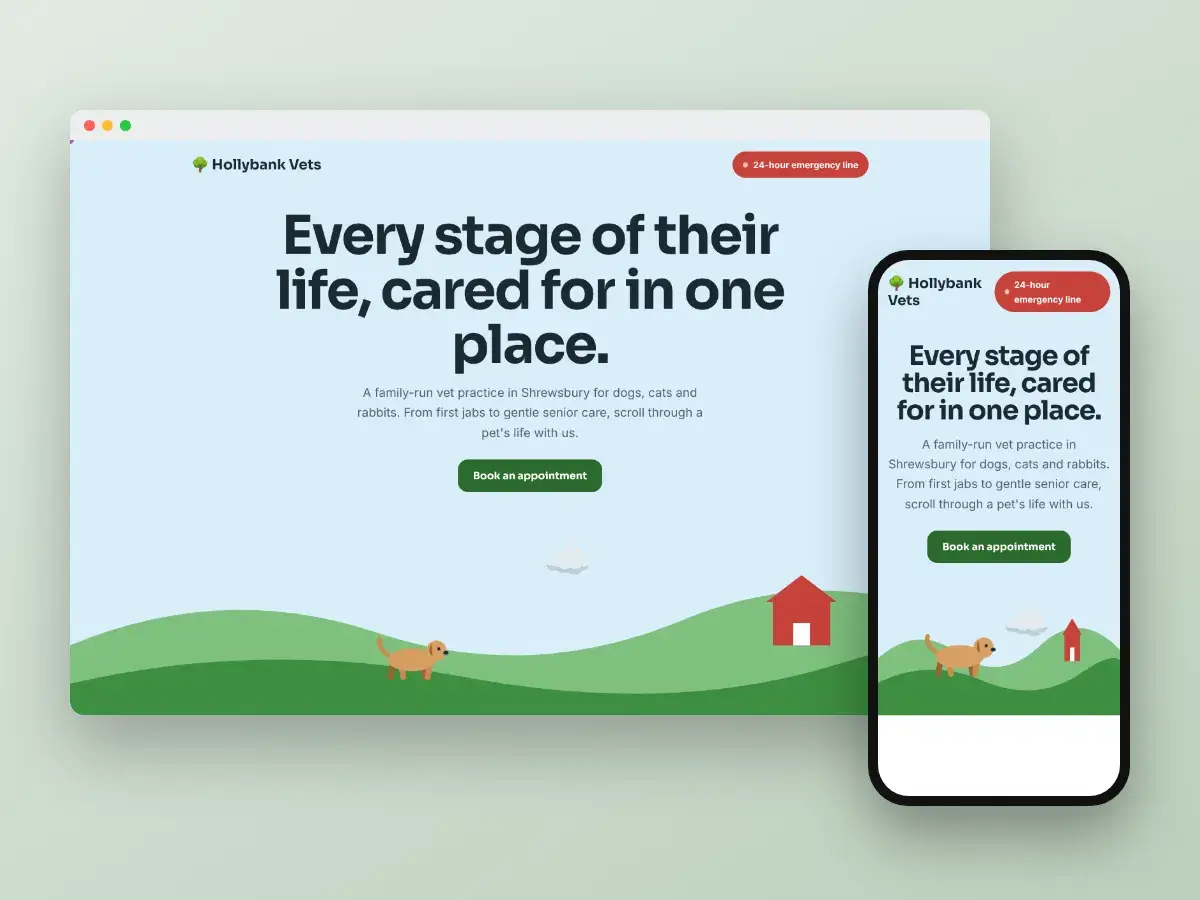
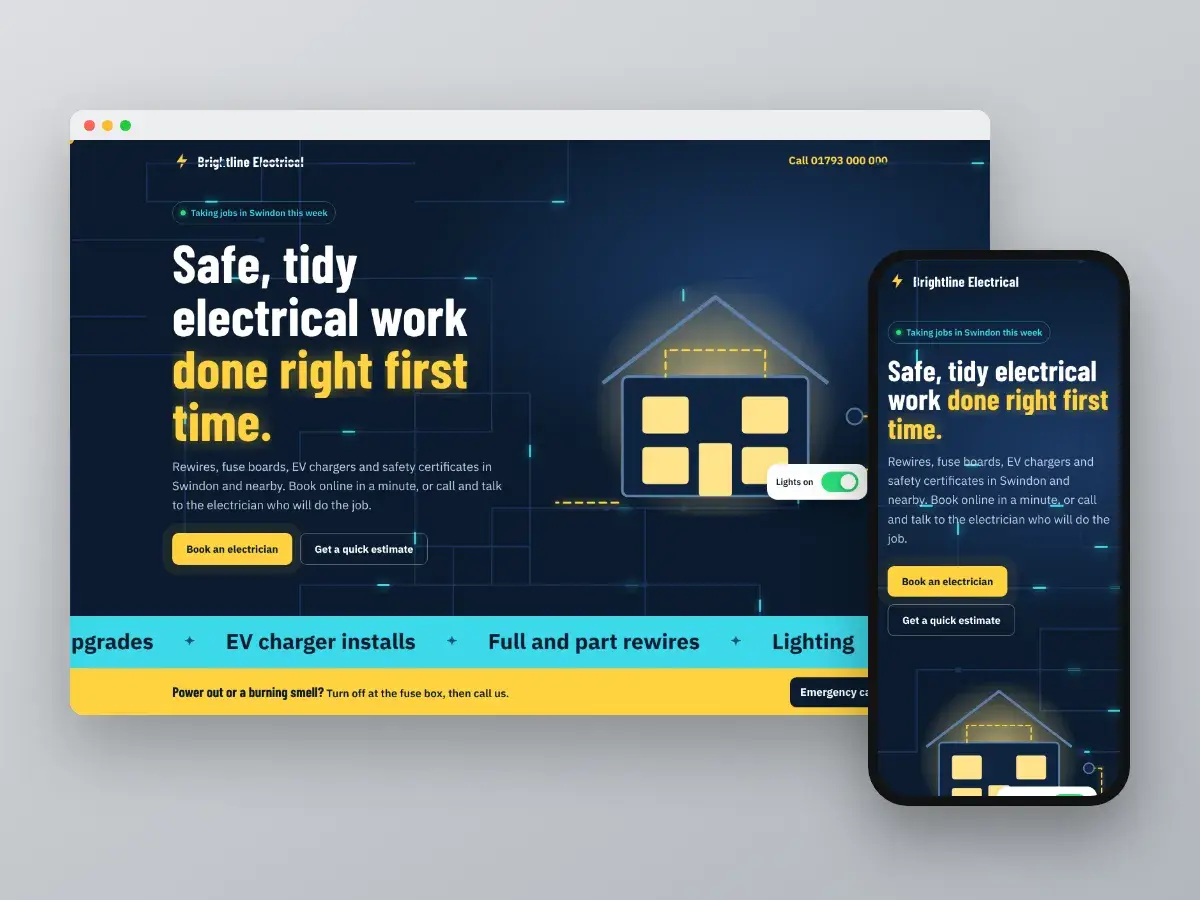
Our aesthetics clinic demo shows a treatment finder, consultation booking with a deposit and reviews shown automatically. Open the aesthetics clinic demo.
Where to start this week
- Search your website and Instagram for the word "Botox" and any toxin prices.
- Change "Botox" buttons to "Book a consultation for lines and wrinkles".
- Add practitioner profiles with qualifications.
- Move any product information off the homepage.
Not sure what to change? Tell us about your clinic and we will look at your site with you.
We build websites, booking systems and Google profiles that bring in work for UK businesses. See your homepage design before you commit.